Our mission is to position global food security as a defining U.S. strategic priority and to give policymakers a clear, nonpartisan roadmap for advancing it. Our Blueprint for U.S. Leadership in Global Food Security will identify the investments and policies with the greatest potential to move the needle on global hunger now and into the future.
We are exploring recommendations across six policy pathways.
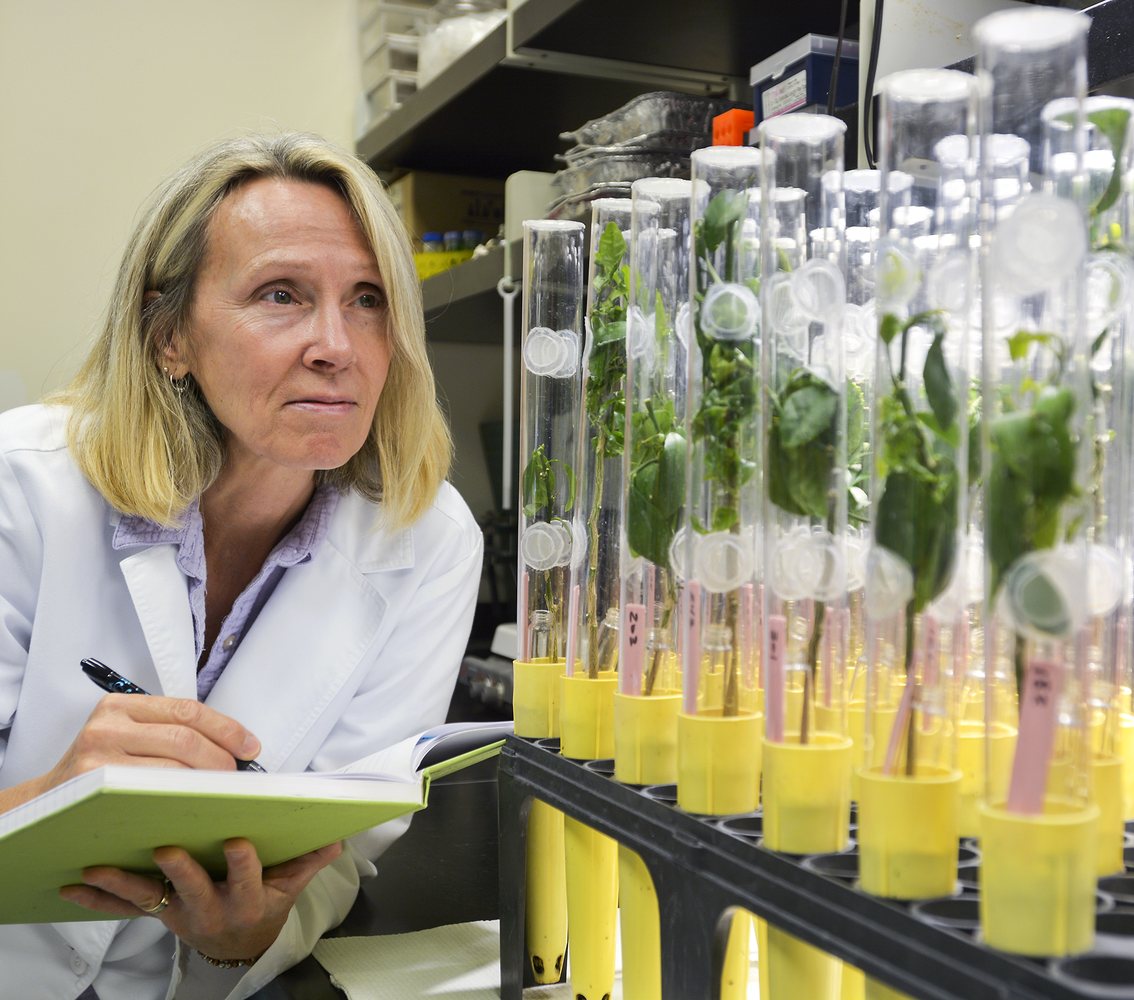
U.S. initiatives to generate and catalyze agricultural R&D and innovation — domestically and globally — by mobilizing government, academic, private-sector, and international capabilities.
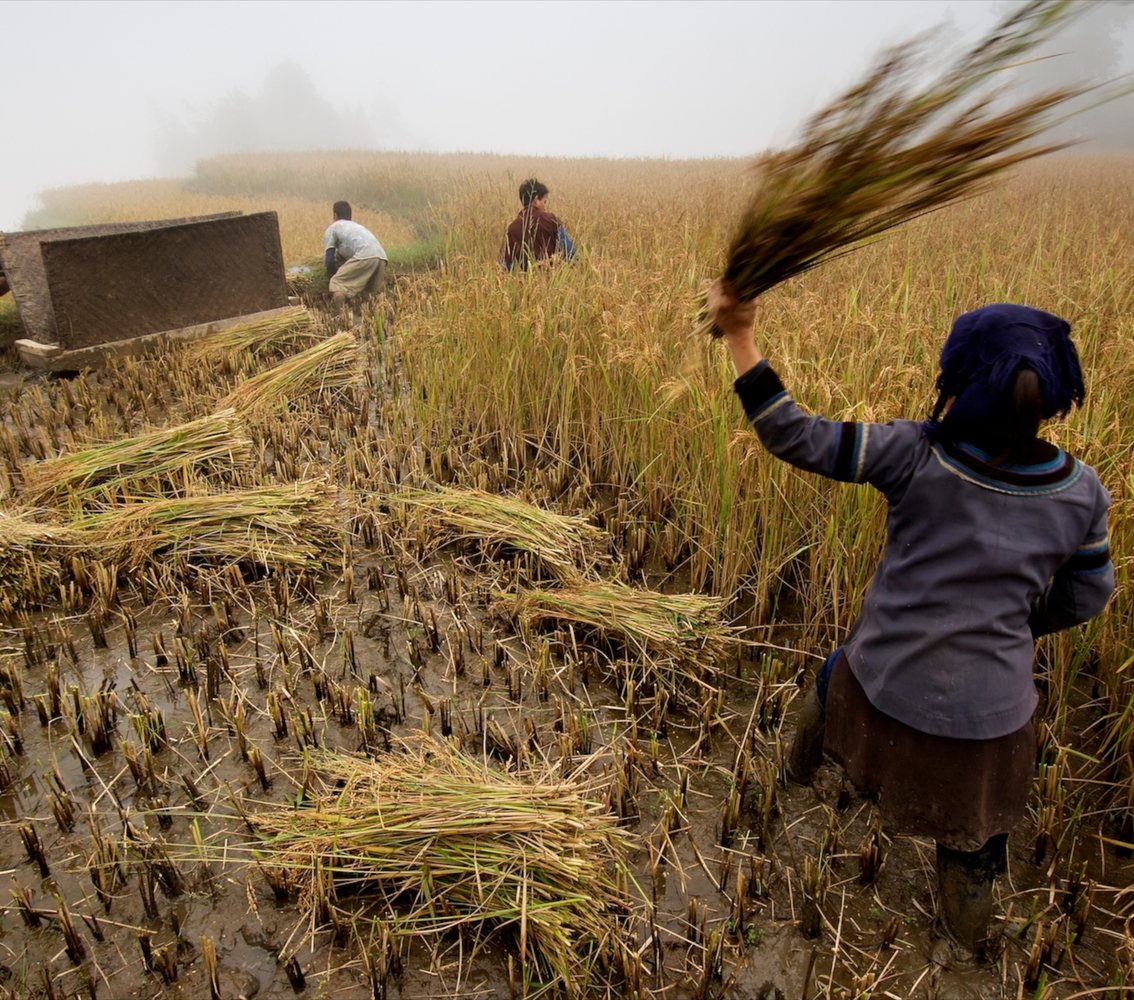
U.S. efforts to strengthen agricultural systems in the developing world.

U.S. diplomatic strategy to drive collective action, shape global norms, and leverage multilateral institutions to advance food security.
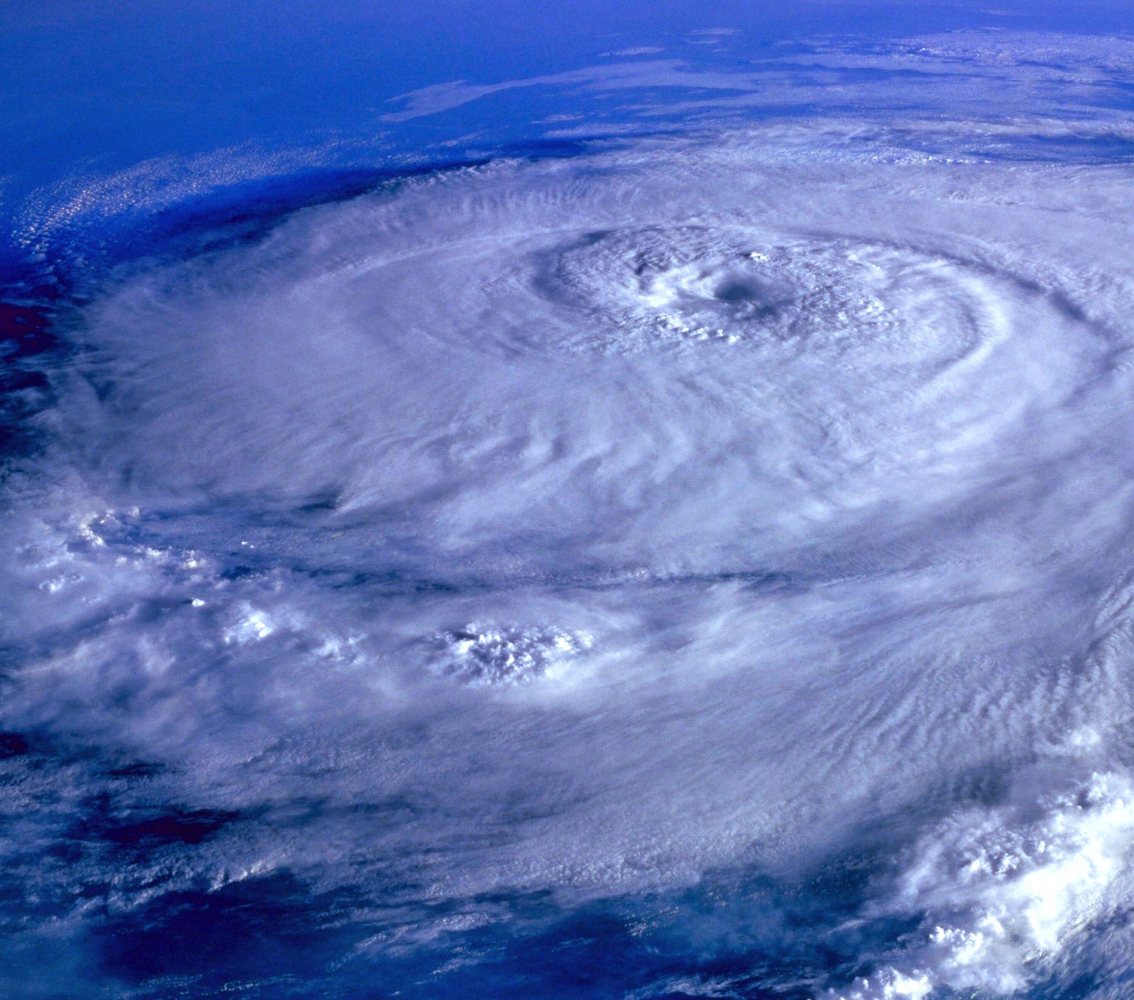
The U.S. role in systems to collect, analyze, and disseminate reliable data on food markets, food production, climate, and systemic risks to enable timely, evidence-based action.

U.S. policies and positions that enable the movement of food and agricultural inputs, stabilize markets, and mitigate disruptions.
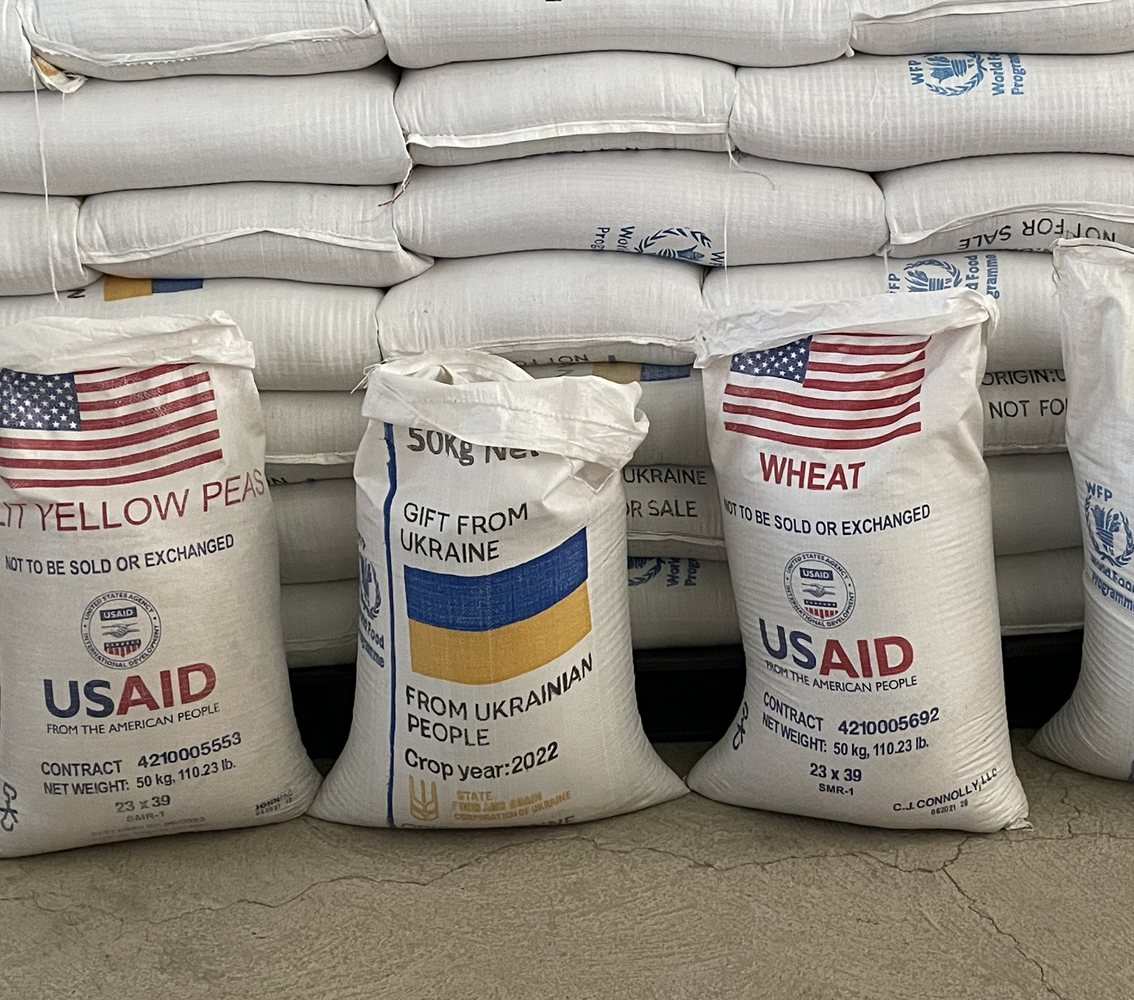
U.S. emergency food assistance designed to save lives in crisis settings and prevent humanitarian emergencies from escalating.
Together, this community shapes, supports, and advocates for the organization’s mission.

1763 Columbia Rd NW
Suite 175
Washington, DC 20009-2891


